أجزاء ختم
منتجات


- View as
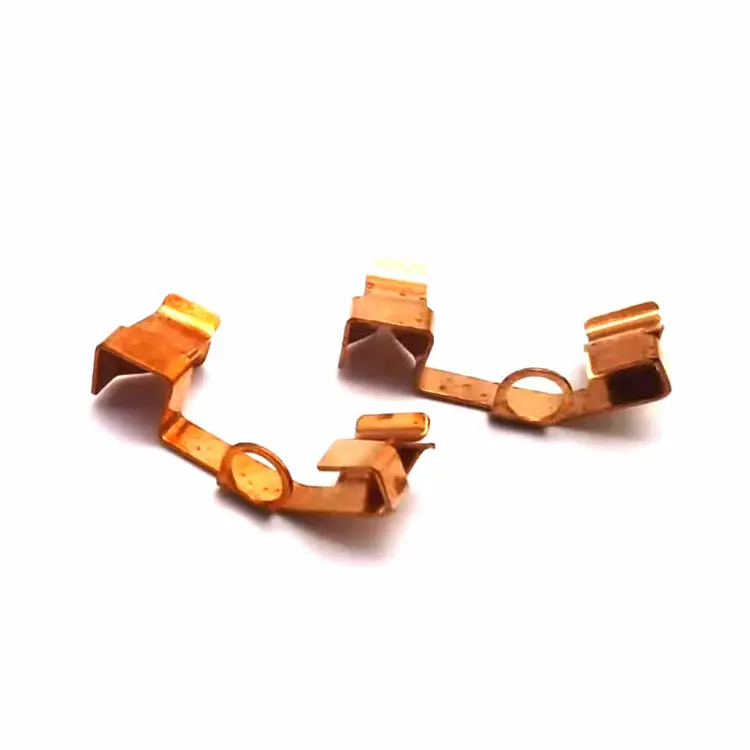
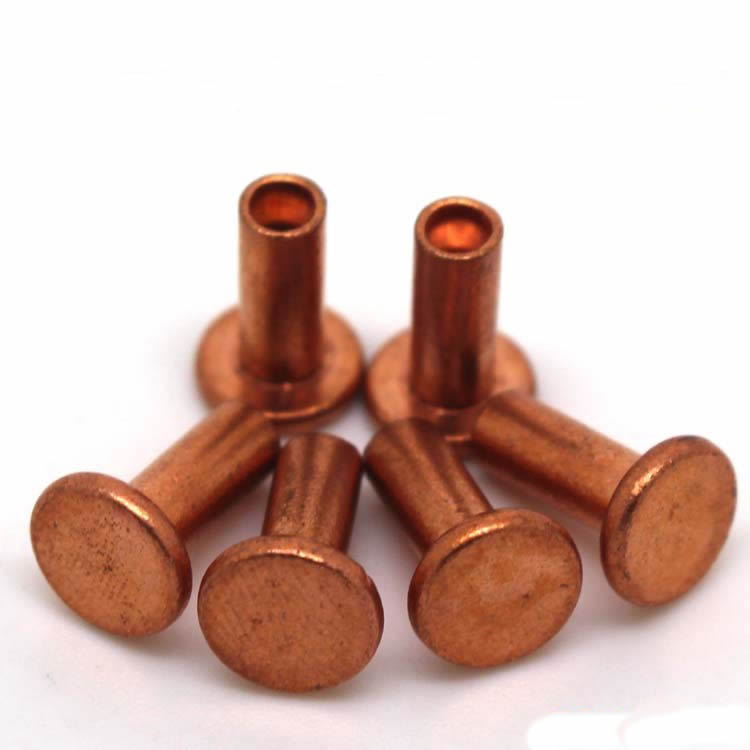
ختم أجزاء للمقبس
Stamping Parts For المقبس هي شركة رائدة في تصنيع أجزاء الختم المعدنية التقدمية، وتستخدم أجزاء الختم على نطاق واسع في المفاتيح، والمرحلات، وأجهزة تنظيم الحرارة، والموصلات، وفاصل الفصل، وأجهزة التحكم، وأجهزة ضبط الوقت وغيرها من الأجهزة ذات الجهد المنخفض.
اقرأ أكثرإرسال استفسار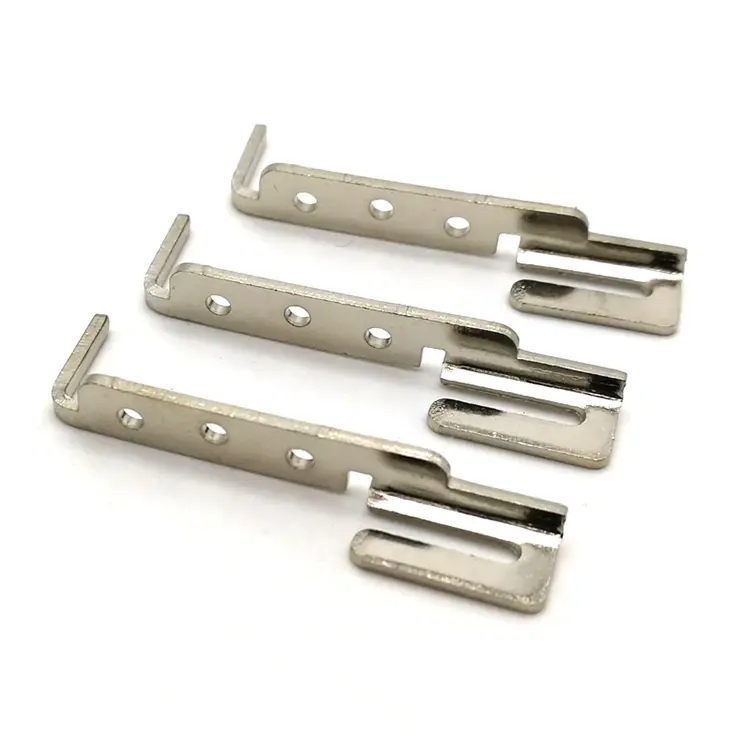
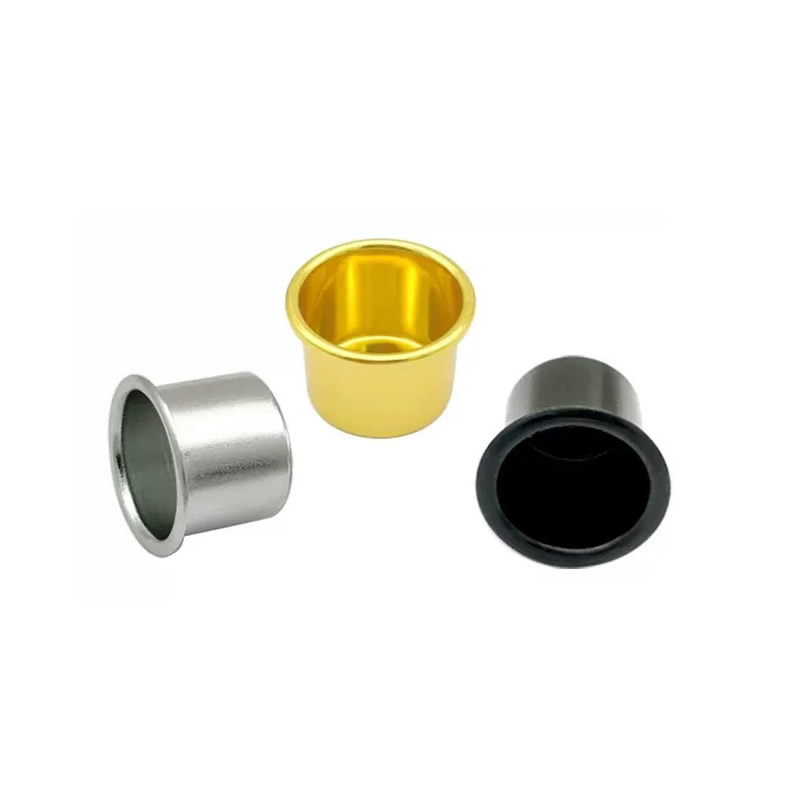
أجزاء معدنية مختومة
شركة Nuote Metals متخصصة في إنتاج الأجزاء المعدنية المختومة داخل الشركة. لدينا فريق داخلي من الخبراء لتصميم الأدوات والقوالب، والبناء، وعمليات الضغط النموذجية، والتجميع. لدينا أكثر من 10 سنوات من الخبرة في تقنيات ختم المعادن، أرسل لنا الرسم الخاص بك للحصول على عرض أسعار سريع.
اقرأ أكثرإرسال استفسار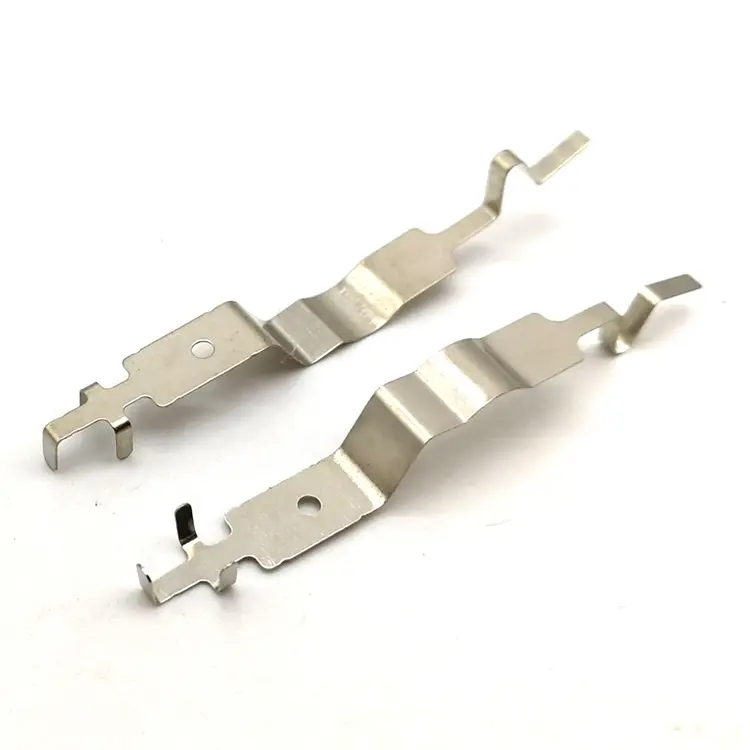
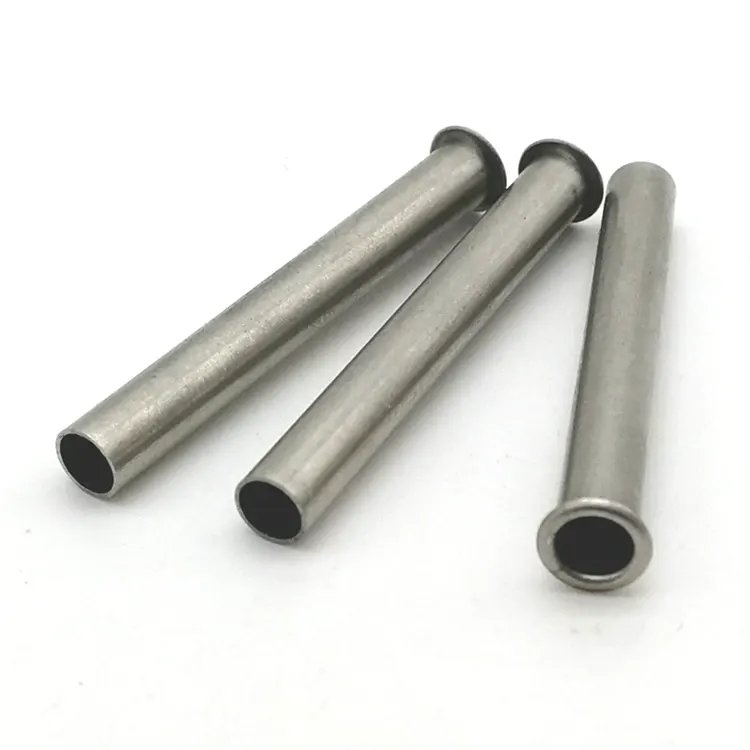
أجزاء ختم المعدن
Nuote Metals هي شركة رائدة في تصنيع قطع ختم المعدن للأجزاء المكونة المخصصة من مجموعة متنوعة من المواد الأساسية، مثل الألومنيوم والنحاس والفولاذ المقاوم للصدأ ونحاس البريليوم والصلب وما إلى ذلك. نحن نقدم مجموعة واسعة من إمكانيات ختم المعادن الدقيقة، بما في ذلك: التقطيع والثني والعملة والتشكيل والثقب وما إلى ذلك.
اقرأ أكثرإرسال استفسار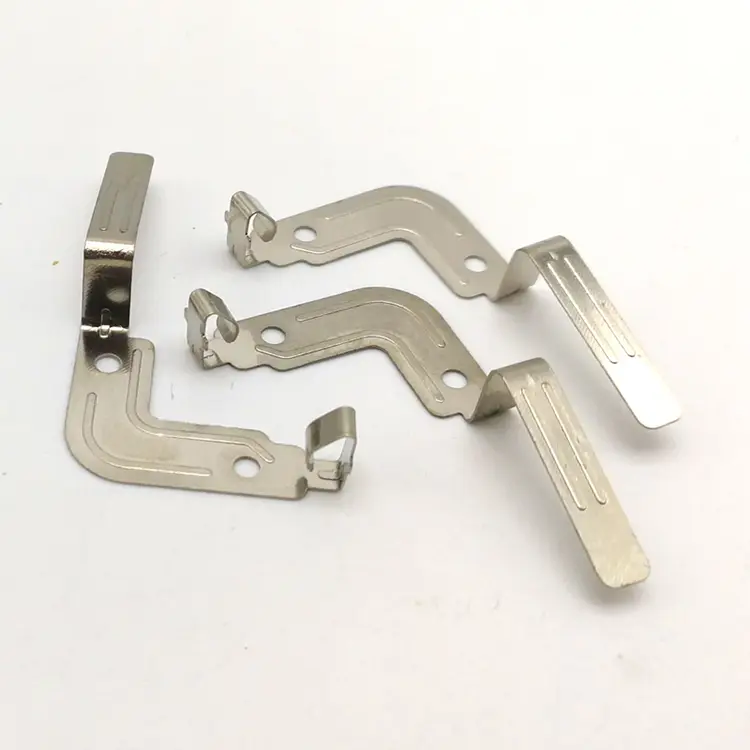
دقة ختم الأجزاء المعدنية
يمكن لـ Nuote Metals استخدام مجموعة متنوعة من المعادن لإنتاج أجزاء معدنية دقيقة الختم. ومع ذلك، فإن بعض العمليات وأنواع المعادن تؤدي أداءً أفضل في عملية ختم المعادن الدقيقة أو تكون أكثر ملاءمة لحالة استخدام معينة.
اقرأ أكثرإرسال استفسار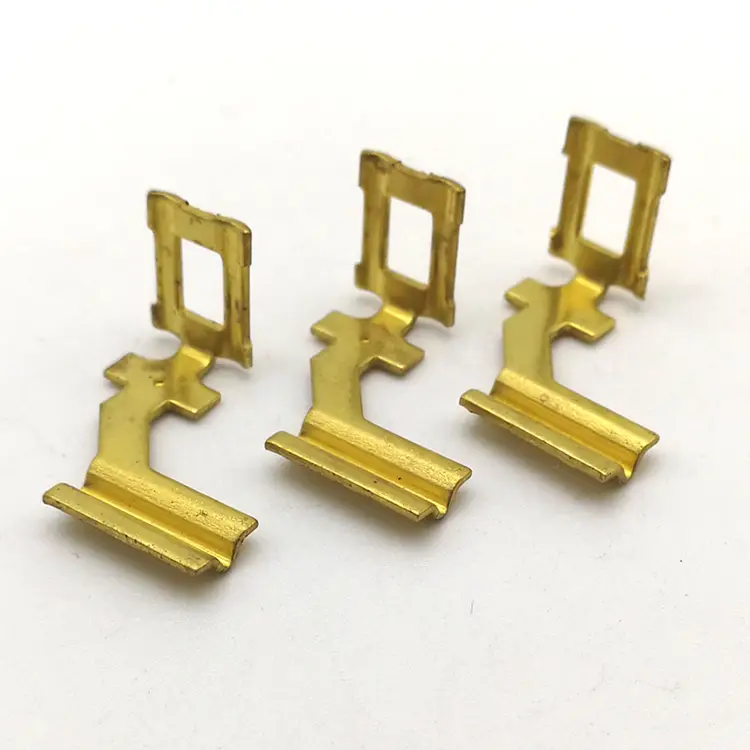
ختم معدني دقيق
Nuote Metals هي شركة مصنعة مقرها الصين لمكونات الختم المعدنية الدقيقة - الأجزاء المعدنية الدقيقة التي يتم إنتاجها باستخدام الختم التدريجي والمركب والنقل. مع مكابس تتراوح من 25 إلى 200 طن، نتعامل مع المواد بما في ذلك الفولاذ الكربوني والفولاذ المقاوم للصدأ والألمنيوم والنحاس والنحاس. تشمل القدرات التقطيع والثقب والثني والرسم والعملة والنقش. شهادة الأيزو 9001:2015. تتوفر مراجعة وعينات مجانية لسوق دبي المالي. اتصل بنا اليوم.
اقرأ أكثرإرسال استفسارSome important factors to keep in mind:
Plasticity and Grain Direction – Plasticity is a measure of the permanent deformation a material undergoes when subjected to stress. Metals with greater plasticity are more susceptible to forming. Grain direction is important in high-strength materials, such as tempered metals and stainless steel. If bending occurs along a high-strength grain, cracking is more likely.
Bending Deformation/Expansion: Bending deformation causes expansion of up to 1/3 of the material thickness. This deformation/expansion becomes more severe as the material thickness increases and the bend radius decreases. Web and "mismatch" cutting: This involves making very slight indentations or protrusions in the part, typically about 0.1mm deep. This feature is not required when using composite or transfer tools, but it is essential when using progressive dies.
Advantages and Limitations of Stamping
Advantages:
- Low cost: In mass production, the cost per part can be reduced to one-third of that of a cast part;
- High consistency: Dimensional tolerances can be controlled within ±0.1mm;
- High material utilization: Through nesting optimization, the utilization rate can reach over 85%.
Limitations:
- Long mold development cycle and high initial investment, making it unsuitable for large-scale production;
- Complex three-dimensional structures (such as hollow crankshafts) require integration with other processes.
Core Application Areas of Stamping Parts
1. Automotive Industry: Accounts for over 60% of total stamping part demand, including body panels and chassis components;
2. Electronics and Electrical: For example, metal mobile phone frames and heat sinks, thicknesses can be as thin as 0.2mm;
3. Home Appliance Industry: Refrigerator panels, air conditioner housings, etc., where surface aesthetics can be enhanced through electroplating or spraying.



X
نحن نستخدم ملفات تعريف الارتباط لنقدم لك تجربة تصفح أفضل، وتحليل حركة مرور الموقع، وتخصيص المحتوى. باستخدام هذا الموقع، فإنك توافق على استخدامنا لملفات تعريف الارتباط.
سياسة الخصوصية